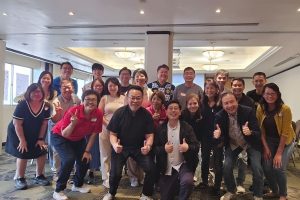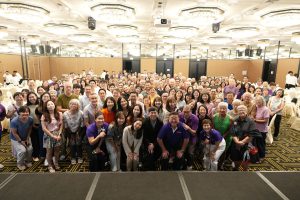
More than 100 attendees at the “Stewards for a Lifetime” talk on 30 May 2026 at Wesley Methodist Church gained fresh insights into the biblical perspective and practical aspects of legacy planning.
Rev Raymond Fong started the session by framing legacy planning through the lens of Christian stewardship. He emphasised that stewardship begins with discipleship, questioning whether possessions or the Lord have control over our lives. “Who has us? Does the Lord have you, or do your possessions have you?” he said.
He highlighted that stewardship encompasses time, treasure, talent and testimony, urging individuals to use these resources wisely and to live righteously.
“How we spend our time shows our priorities. How we use our resources and abilities shows what we value. How we live each day becomes a witness to others,” he said.
Pastor Raymond stressed the importance of gratitude and generosity, noting that the most generous people are often those with the least. He concluded by encouraging deep surrender to God, trusting that faithful risk-taking will lead to a lasting legacy and eternal life.
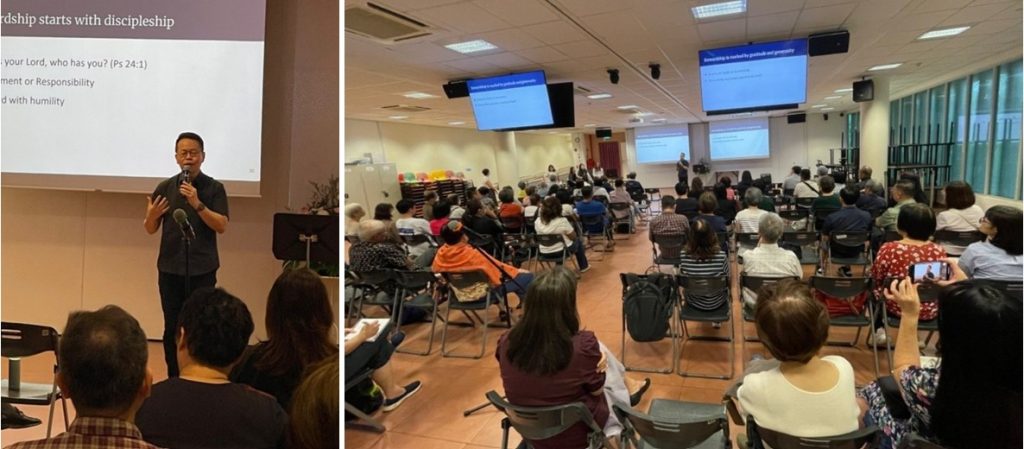
“How we spend our time shows our priorities. How we use our resources and abilities shows what we value. How we live each day becomes a witness to others.” – Rev Raymond Fong
LEGACY PLANNING
“Legacy planning is more than preparing documents. It is a thoughtful process of setting our affairs in order, making our wishes known and considering how we can finish well,” said Lee Wong, who helps families structure, manage and preserve their wealth across generations.
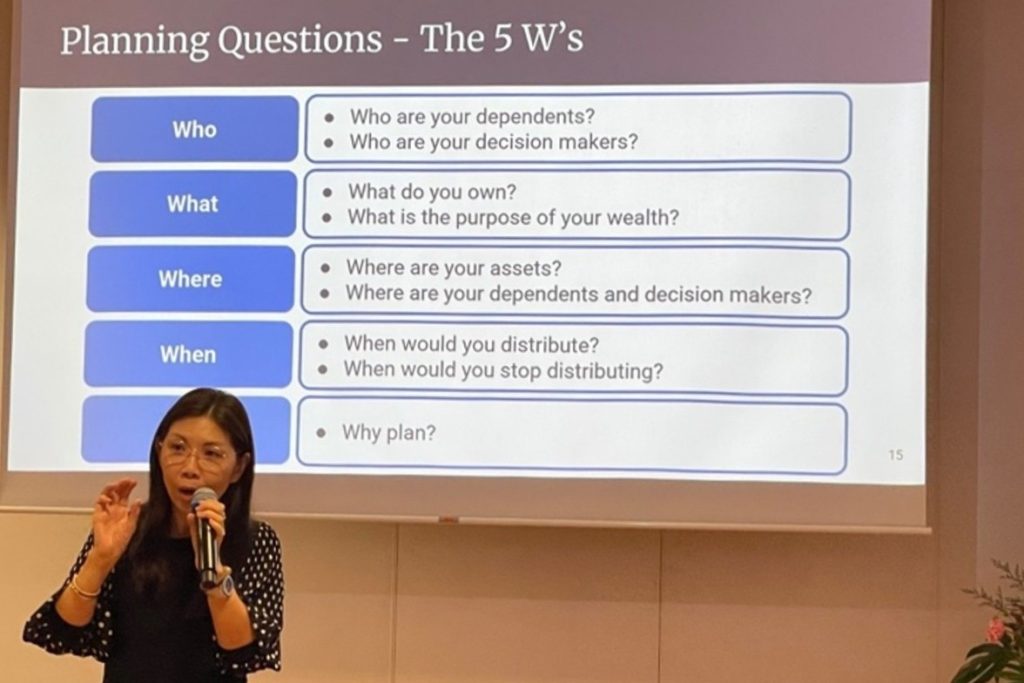
Planning well is more than asking, “What do you do with your earthly treasures?” It also helps us consider not only our own needs, but also “the needs of the people that matter to you” and “the causes that matter to you”, she said.
A good legacy plan often begins with care planning. This means thinking ahead about how we would like to be cared for if we lose the ability to make decisions for ourselves. This may include healthcare preferences, living arrangements and the people we trust to make personal welfare decisions on our behalf.
As Lee noted, “If people don’t know how to take care of you when you’ve lost capacity, you’ve left them to guess, which can be stressful for yourself if they guess wrongly.”
Legacy planning also includes estate planning. This involves deciding how our assets should be distributed after we are gone. It is not only about who receives what, but also about communicating our intentions clearly.
“Clear communication avoids conflicts,” said Lee, which is especially important when different family members may have different expectations or past conversations about inheritance.
For some, legacy planning may also involve providing for vulnerable family members, such as young children, elderly parents or loved ones with special needs. Besides leaving money, it may involve building “an ecosystem” of care and support for these family members.
Another important part of legacy planning is giving. Many people care deeply about churches, charities, missions or underprivileged communities, and planning ahead allows these causes to receive continued support.
Lee suggested that a helpful way to begin is to ask five simple questions: who, what, where, when and why? Who are the people and causes we want to provide for? What assets do we own? Where are these assets located? When should distribution take place? And most importantly, why are we planning in this way?
She cautioned that legacy planning is not a one-time exercise, but should be reviewed and updated regularly. This is because children grow up, family needs change, relationships evolve and new responsibilities may arise. “It’s not just one document… it’s a process,” said Lee.
“Legacy planning is more than preparing documents. It is a thoughtful process of setting our affairs in order, making our wishes known and considering how we can finish well.” – Lee Wong
LEGACY PLANNING TOOLS
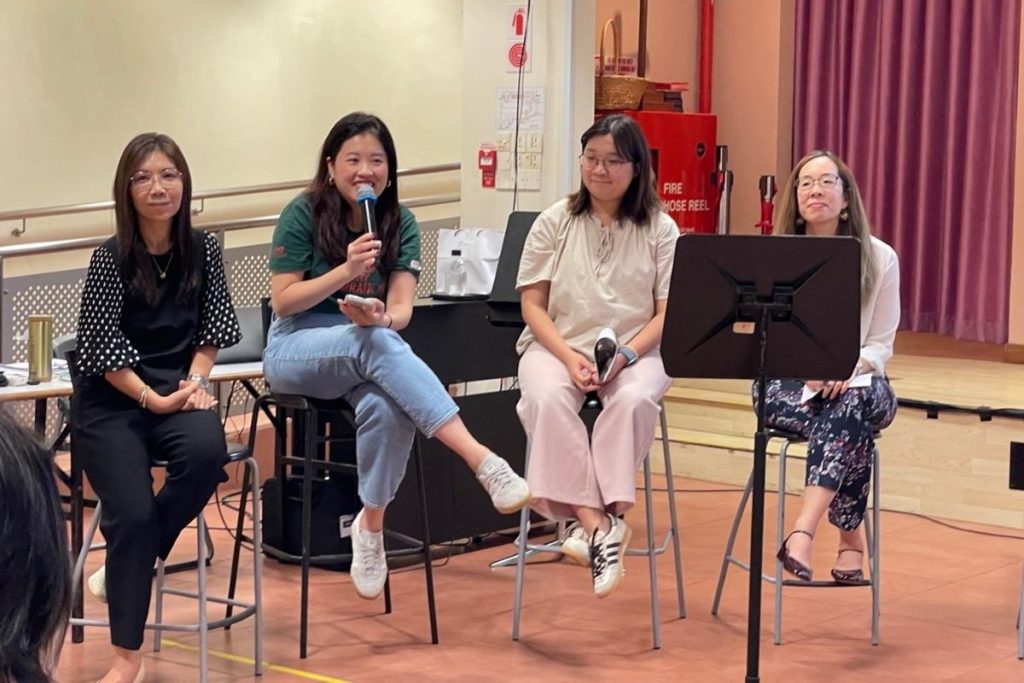
Nicole Leong, who works as a wealth adviser in private banking, introduced four key tools used in legacy planning: the Lasting Power of Attorney (LPA), Advance Care Plan (ACP), Will and CPF Nomination.
The Lasting Power of Attorney (LPA) applies when a person loses mental capacity but is still alive, such as in conditions like dementia, Alzheimer’s disease or after an accident. Without an LPA, family members may need to apply to court for deputyship, which can be costly, slow and potentially contested. An LPA allows a person, known as the donor, to appoint donees to make decisions about personal welfare, property and financial affairs. Nicole noted that most Singaporeans only need the standard LPA Form 1, while Form 2 is for more customised and complex wishes.
She also explained that an Advance Care Plan is not a legal document, but it records important healthcare preferences. It helps loved ones, healthcare teams and appointed decision-makers understand how a person wishes to be cared for if they cannot speak for themselves. This may include medical preferences, daily care needs, comfort care and who should act as the nominated healthcare spokesperson. Nicole emphasised that the ACP works alongside the LPA and provides the “soft details” that legal documents may not capture.
Nicole then spoke about the importance of having a Will. Without a will, a person’s estate will be distributed according to Singapore’s intestacy laws, which may not reflect their actual wishes. This can create confusion, disputes and family conflict. A will allows a person to appoint an executor, name beneficiaries, provide for minors and clearly state how their estate should be distributed. She encouraged seeking proper legal advice, especially for those with overseas assets or complex family situations.
A CPF nomination is an important part of legacy planning because CPF savings are not covered by a will. A CPF nomination gives the CPF Board legal instructions on how to distribute one’s CPF savings after death. Without it, the funds will be distributed according to Singapore’s intestacy rules, which may involve delays, fees and additional administrative steps.
The speaker emphasised that a CPF nomination should be made “as early as possible” and reviewed at major life milestones. Marriage automatically revokes a CPF nomination, but divorce does not. She added that the same mindset should also apply to insurance proceeds, which should be nominated separately.
PLANNING BEYOND OURSELVES
Seow Jia Xian, who works at a community foundation, spoke about planning for the causes we care about, which she described as the “legacy of generosity”.
For Christians, the motivation for giving begins with the heart. “When we think about giving, not just to our loved ones but also to the causes we care about, we start with the heart, the posture,” Jia Xian said. “What is the motivation that I have within me that drives the desire to give?”
She said that giving can stem from the Christian call to love God, love others and participate in the work of building God’s kingdom. It can also be shaped by other motivations, including the values one hopes to pass on to future generations, the kind of personal or family legacy one wishes to leave, compassion for people and creation, gratitude or major life events that cause a person to reflect more deeply on their purpose.
She reminded participants that giving need not be limited by geography. Referring to Psalm 24:1, “The earth is the Lord’s, and everything in it”, she said that “God’s kingdom is also not defined by national boundaries”. For Christians, this can mean giving to mission work and communities beyond one’s immediate surroundings.
Jia Xian cautioned that when giving to organisations, it is important to be clear about which organisation it is and the details of that organisation. She warned that an organisation’s public name may not always be its legal name, and “if you don’t get the legal name correct for the organisation, the whole gift can fail.” She advised including identifying details such as the organisation’s UEN or registered number, and considering fallback clauses in case an organisation no longer exists in the future.
Song Chun, who works at a community foundation, gave a practical example of giving to the church. She explained that those who wish to leave a gift to Wesley Methodist Church should first check with the church office. For example, the intended legal recipient is not simply “Wesley Methodist Church”, but “the Secretary of Trustees of The Methodist Church in Singapore, for the benefit and use of Wesley Methodist Church”.
In summary, the speakers shared how stewardship and legacy planning are deeply connected.
A thoughtful legacy plan is not just about distributing assets; it is about expressing faith, values and love in practical ways — caring for family, reducing uncertainty, supporting the vulnerable, strengthening the church and continuing to bless the causes close to our hearts.
(Photos courtesy of Tao Ai Lei)
Read also: Because You Give, We Are Able To Care – And No One Walks Alone