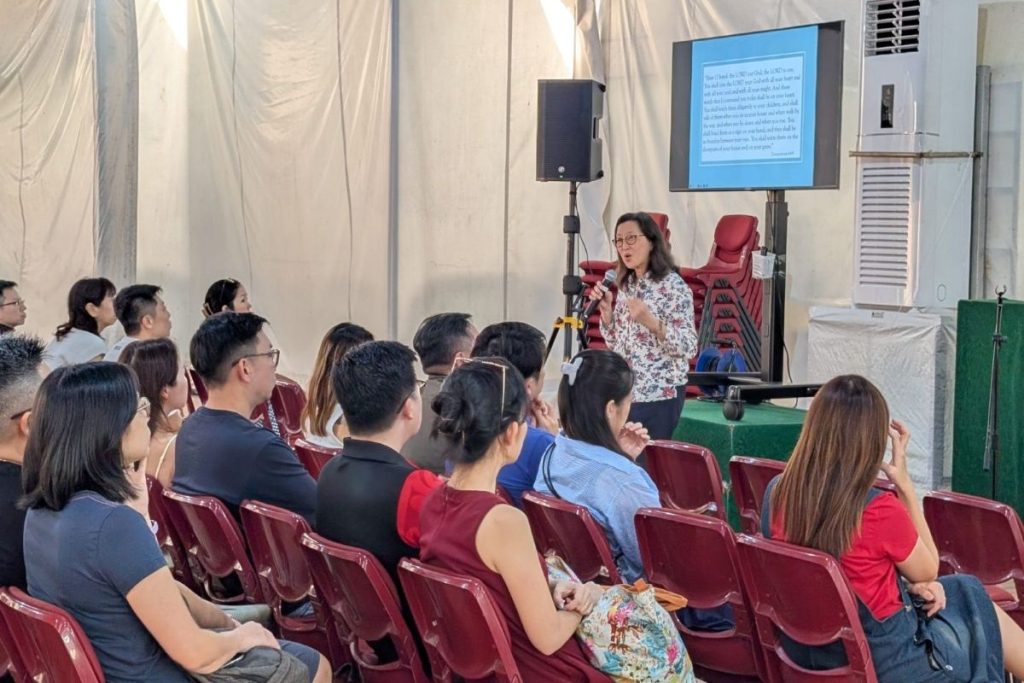
At a parenting talk held on 8 March 2026 at Wesley Methodist Church, speaker Dr Eliza Lian-Ding, a counselling psychologist, challenged parents to think more deeply. Faith, she explained, is not simply taught—it is lived and embodied in everyday life.
Reflecting on Genesis 2:27–28, 31a, Dr Eliza reminded parents that every life is a gift from God. “Every breath comes from Him. Every child comes from Him. Our very lives are sustained because of Him.”
Because of this, raising children is more than a practical responsibility—it is a sacred calling.
WHAT WILL YOUR CHILDREN REMEMBER?
She posed two questions to parents:
• What do you want to see as the most important thing about your children’s faith?
• In 20 years’ time, what do you most want your children to remember about your faith?
“Your children will remember many things about their childhood. But what will they remember about your relationship with God?” she said.
Deuteronomy 6:4–9 offers a clear picture of how faith is meant to shape daily life. “It shows how close God’s Word is meant to be to us,” she explained. “When we sit, when we walk, when we lie down, when we get up.”
Yet she observed that modern life often fills those moments with something else. “I’m not sure God’s Word is on our screens at those times,” she said, noting the many distractions of the digital age.
FAITH IS CAUGHT, NOT JUST TAUGHT
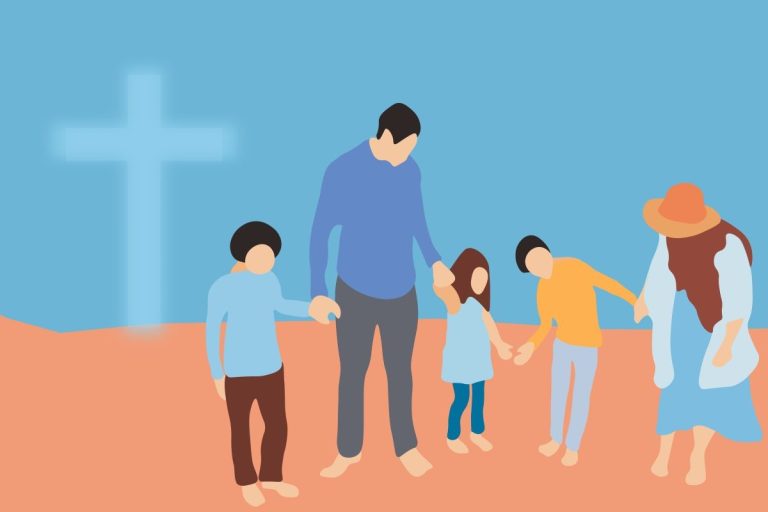
For parents, this means that faith formation happens most powerfully in everyday moments—during meals, car rides, bedtime routines and family conversations.
“The way our children come to know God is through our lives,” she said. “Through the way we spend time with them when we eat with them, when we put them to bed, when we drive them to school.”
Parents often underestimate their influence.
“Nobody will have a lasting impact on your child’s faith like you,” she reminded the audience. “You are their number one source of identity and confidence.”
Parents are the primary source of their children’s identity and confidence.

THE IMPORTANCE OF A SAFE HOME
Dr Eliza also highlighted the importance of emotional safety in the home. Children, especially in their early years, are learning whether the world is a safe place.
“From zero to six, the child is learning whether they have a secure base,” she explained. “Is the world safe? Is my home safe? Are Mum and Dad safe?”
This shapes how children eventually understand God.
“If a child is taught that God is safe but goes home to a parent who is constantly angry or throwing things, that’s confusing,” she said. “If God is safe, then we must be safe.”
In particular, she emphasised the influence of fathers. “A safe father makes a world of difference to his wife and to his children.”
At the same time, she acknowledged that many adults carry wounds from their own childhood. “Some of you grew up with parents who were not safe. Please pay attention to those things. Healing those areas matters, because they affect the next generation.”
“A safe father makes a world of difference to his wife and to his children.”
VALUING CHARACTER OVER PERFORMANCE
As children grow older, the pressures of school and achievement begin to shape their sense of identity.
Dr Eliza shared a story about her own daughter, who came home one day and asked, “What am I good at?” Her daughter compared herself with classmates who were talented in different areas—drawing, sports and debating.
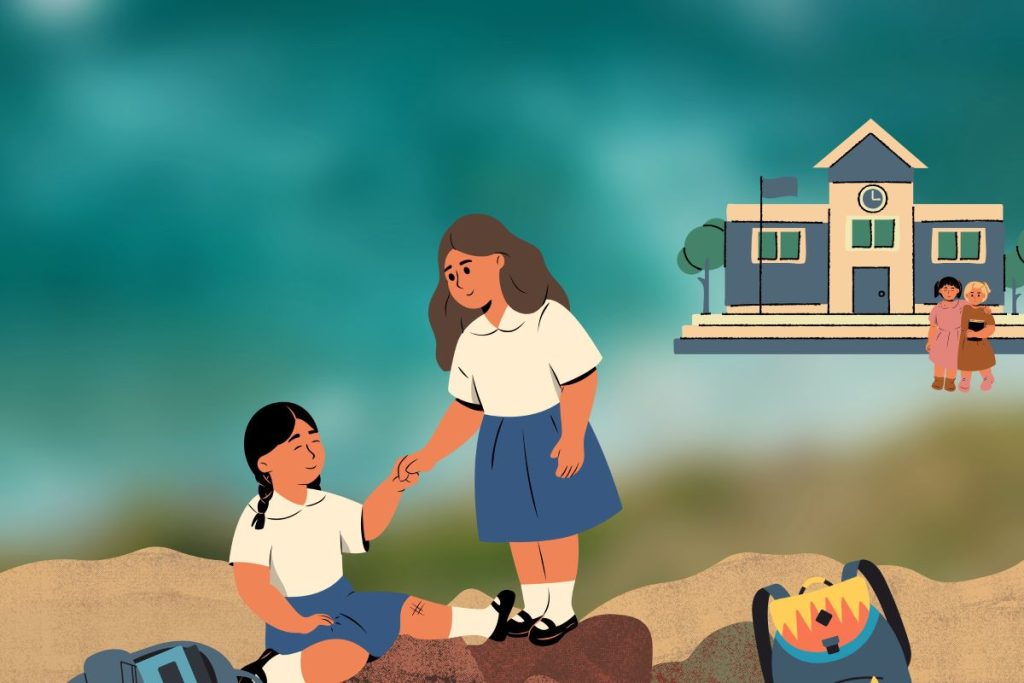
“This is the environment our children are growing up in,” she said. “Schools reward performance. But they don’t reward kindness, patience or generosity.”
Parents therefore play a crucial role in affirming these deeper qualities.
“Are we noticing when our children are kind? When they share their food? When they help someone?”
She recalled watching her young son quietly help an older and much taller student in a crowded school canteen by picking up the boy’s dropped chopsticks and returning them.
“It was such a small moment,” she said. “But those are the moments we need to notice and affirm.”
“Schools reward performance. But they don’t reward kindness, patience or generosity.” Parents therefore play a crucial role in affirming these deeper qualities.
THE POWER OF FAMILY RELATIONSHIPS
Another important lesson was how the relationship between parents shapes the emotional environment of the home.
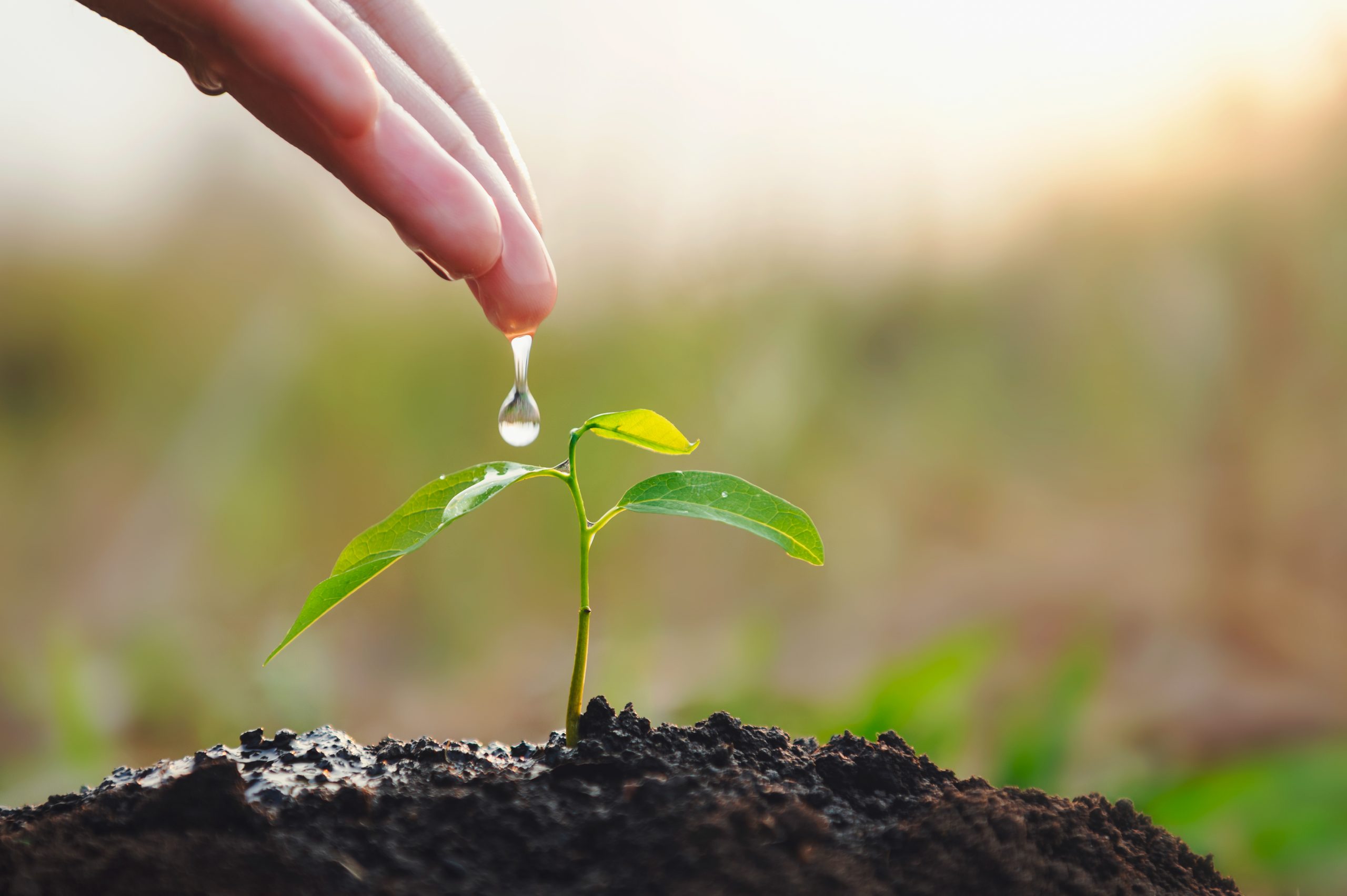
“The love we express to our spouse creates the emotional space our children grow up in,” she said. “It’s like the soil in which the flowers grow.”
Children are constantly observing.
“They see where we spend our time, where we spend our money and what is on our hearts.”
Even when parents feel ignored, children are still watching.
“You might think your child doesn’t listen to you. But they are watching you.”
FAITH LIVED WITH HONESTY
Embodied faith also means modelling how to handle stress, respond to personal failure, not valuing one child over another because of gender and expressing love to your spouse. Parents can invite children into their real lives.
“When you’re stressed at work, tell them. Ask them to pray for you,” she suggested.
Likewise, when parents make mistakes, humility matters.
During the Q&A session, one parent asked how to respond after wrongly accusing a child of something.
Dr Eliza answered simply: “You must say sorry. Daddy did it again. I’m sorry. Can you forgive me?”
She explained that repentance is a powerful witness to children.
“A parent who can say sorry models what repentance looks like. Everybody knows there is no perfect parent.”

“A parent who can say sorry models what repentance looks like. Everybody knows there is no perfect parent.”
SPEAKING TRUTH IN A CONFUSING WORLD
Dr Eliza also spoke about the importance of guiding children in areas that many families find difficult to talk about, especially in today’s digital environment. Silence, she warned, often leaves children to learn from unhealthy sources.
“Sex education in the home is very important,” she said. “Scripture tells us to talk about these things in daily life. Our children need to know that their bodies belong to God and that there are healthy boundaries.”
She noted that the online world exposes children to messages about identity, relationships and sexuality at a very young age. Parents therefore need to provide a clear and loving Christian perspective.
“The world is telling our children all kinds of things—that they are not good enough, not strong enough, not popular enough,” she said. “We must give them a counter-narrative grounded in who they are in God.”
Addressing the issue of pornography, including AI-generated content, she urged parents to take the matter seriously.
“If we are objectifying someone’s body for our own satisfaction, we are using that person as an object,” she said. “Even if the image is AI-generated, we are still using something fake to meet a real need and it will never satisfy.”
Instead of avoiding the topic, parents were encouraged to create homes where honest conversations can take place.
“When we have open conversations, when we listen and when we create a safe space, our children learn that they can bring their questions to us—and to God,” she said.
“Instead of avoiding the topic, parents were encouraged to create homes where honest conversations can take place.”
FAITH IN COMMUNITY
Finally, Dr Eliza reminded parents that faith is not meant to be lived alone.
“God never intended for us to live our faith in isolation,” she said. “Faith is communal.”
Children are shaped not only by parents but also by the wider community — teachers, church leaders, mentors and friends.
“Your child’s faith grows in a community of people who reinforce the same values.”
LIVING OUT FAITH DAILY
In the end, embodied faith is about living a life where faith is visible in everyday choices—how we treat one another, how we respond to challenges and how we point our children to God.
As Dr Eliza concluded, parents are called to nurture a home where faith is not just spoken about but lived.
“Our faith is meant to be lived out,” she said. “When our children see us walking with Jesus, we are inviting them to walk with Him too.”
“Parents are called to nurture a home where faith is not just spoken about but lived.”
Illustrations: Pixabay.com
Read also: Small Habits, Big Impact: How Daily Moments Shape Your Child’s Heart and Faith