Last year, on a trip to Ho Chi Minh City, I bought a 2026 calendar with a short line at the bottom of each month. January’s message read: Good Things Are Coming. Where would you place these four words if not at the first month of the year?
I would pick November.
Why November? Because November is when we begin to draw the year to a close. It is a time when we look back and take stock of the experiences, milestones, blessings and even challenges that have shaped us. Yet it is also a time to look ahead, anticipating what is still to come.
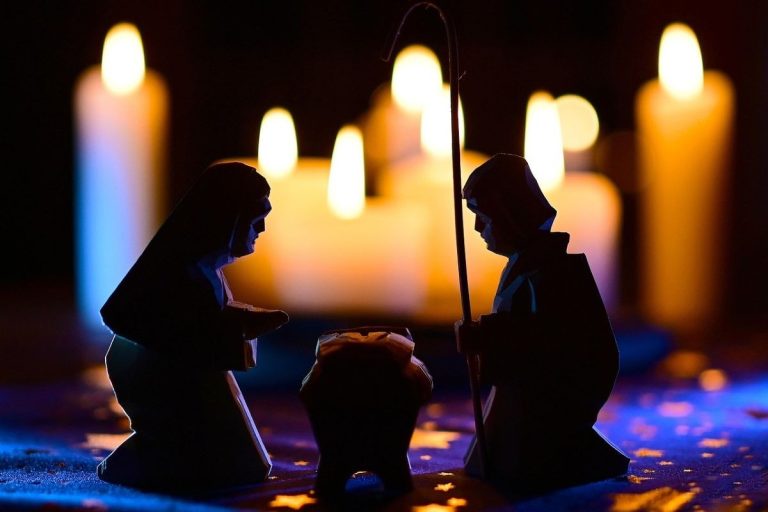
And as the Church enters the season of Advent, these four words seem particularly fitting.
Good Things Are Coming captures something of the spirit of Advent, a season of expectant waiting. We remember that Christ came as a child in Bethlehem, and we look forward to the day He will come again. In between, we live in the already, but not yet.

“Good Things Are Coming” captures something of the spirit of Advent, a season of expectant waiting. We remember that Christ came as a child in Bethlehem, and we look forward to the day He will come again. In between, we live in the “already, but not yet.”
WHERE THANKS COMES FROM
We may arrive at November running on empty, burdened by unfinished tasks and the quiet fear that if we stop, everything will fall apart. Pulling into the pit stop to be thankful is something we genuinely desire, but we tell ourselves: “Surely gratitude can wait until things settle down.” So we keep going, and the thanks we offer, for the most part, comes out thin.
This is why I want to speak of a wellspring. A wellspring is not a bucket we fill by effort. It is a source that rises from beneath, again and again, without us straining for it. The water is already there, provided by God. Our part is simply to come to it.
Before rest becomes something we do, it is something we receive. Before it becomes a rhythm we practise, it is a gift of grace we accept. Rest begins from a place of grace, trusting that our lives are held by God and that His goodness is not dependent on how much we have first accomplished.
And from this rest flows thanksgiving.

A wellspring is not a bucket we fill by effort. It is a source that rises from beneath, again and again, without us straining for it. The water is already there, provided by God. Our part is simply to come to it.
A SONG SUNG IN THE WAITING
Mary’s Magnificat (Luke 1:46-55) is both a song of gratitude and a song of hope for what God is about to do, and she sings it before the promises have fully unfolded.
My soul glorifies the Lord and my spirit rejoices in God my Saviour. (Luke 1:46-47)
How could Mary sing these words when she did not yet know how everything would unfold?
Mary could rejoice because her joy was not dependent on having certainty about the future. When we rest in God, we learn to release our need to control what happens next. We become free to trust, to wait and to give thanks. Our joy is no longer fuelled by circumstances going our way, but sustained by the faithfulness of the One who sings over us (Zephaniah 3:17). Does this not resemble the image of a father or mother quieting a child with a song?
Mary sings to God in the Magnificat, but she is first a child of God, over whom God has already sung, having “looked with favour on his servant”. Before we sing our thanks, God is already singing over us. Our joyful song arises from resting in God and is our grateful acknowledgement that we have a Mighty Warrior who saves, who takes delight in us, who rejoices over us with singing.
May this Advent reawaken us to the good things found in tuning our hearts to the songs of delight from Abba Father.
Our year may not always be filled with things that are easy to celebrate. There may have been disappointments, unanswered prayers, losses, weariness and seasons when we struggled to see God’s goodness. Gratitude in such a year can feel like a demand to pretend.
The song of Abba Father was never dependent on how well we felt our year had gone. It was being sung over us in the seasons when we could hear it, and just as faithfully in the ones when we could not. Thanksgiving, then, is not denying the hard things. The time of Sabbath helps us realise that they were not the whole story.

The song of Abba Father was never dependent on how well we felt our year had gone. It was being sung over us in the seasons when we could hear it, and just as faithfully in the ones when we could not. Thanksgiving, then, is not denying the hard things.
AN INVITATION
First, look back with thanks. Name the blessings, however small.
Second, be still enough to hear the song. Rest is how we make room to listen.
Third, sing: “Though the wrong is oft so strong, God is the Ruler yet.”
We sing not because the year was necessarily easy, but because the King who sings over us is faithful and coming again.
Christ is near, and in Him we have a wellspring of thanks that never runs dry.
(Images: Pixabay.com)
Read also: The Harvest of Rest; Riding Pillion with God on a Journey of Faith: Rev Dr William Sam